Summer is not just about warm weather and school holidays. It is about freedom, possibility, and finally saying “yes” to that destination you’ve been dreaming about all year. And when it comes to choosing the best continent for diversity, affordability, beauty, and unforgettable experiences—Asia stands unmatched.
Asia offers everything within one region: turquoise beaches, ancient temples, mountain sunrises, luxury island villas, rich culture, vibrant festivals, and culinary adventures. Whether you are planning a romantic escape, a solo soul-searching journey, or a family vacation filled with adventure, Asia delivers experiences that are both meaningful and memorable.
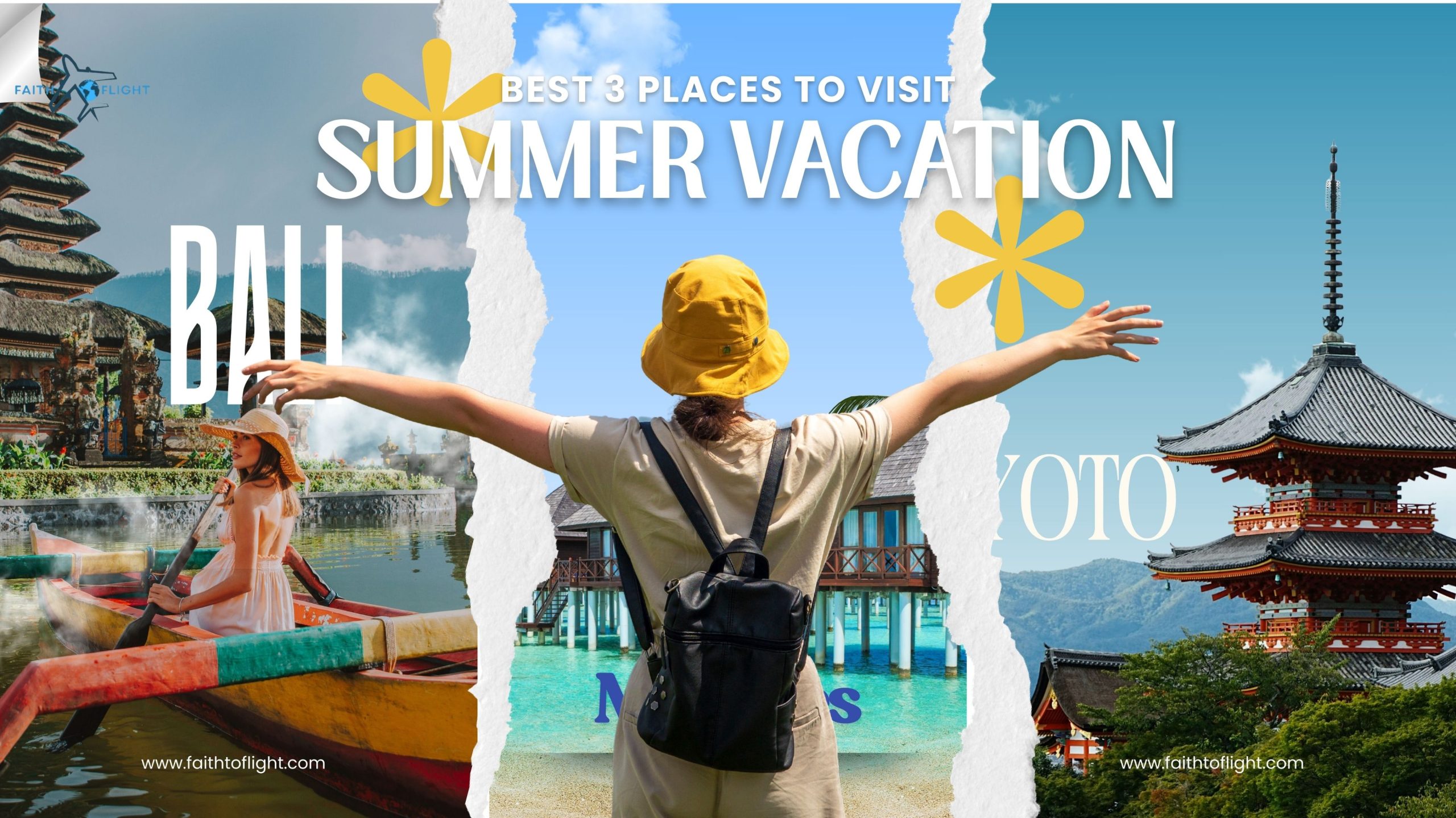
In this detailed summer travel guide, we explore the three best places to visit in Asia during summer — Bali, Kyoto, and the Maldives — with deep insights, travel analysis, weather considerations, budget breakdowns, and experience recommendations.
1️⃣ Bali, Indonesia – The Ultimate Tropical Summer Destination
When people search for the best summer destination in Asia, Bali consistently appears at the top — and for good reason.

1. Ideal Summer Weather and Climate Conditions
Summer in Bali (May to September) falls within the dry season, which makes it the most comfortable and reliable time to visit. During these months, rainfall is minimal, humidity levels drop, and the skies remain bright and blue for most of the day. Unlike many tropical destinations that experience unpredictable storms, Bali offers stable weather patterns during summer.
Daytime temperatures typically range between 27–30°C (80–86°F), which is warm but not overwhelming. Evenings are cooler and perfect for beach walks or outdoor dining. The calm sea conditions during this period also make water activities safer and more enjoyable. If weather reliability is your priority, Bali in summer offers the perfect balance between sunshine and comfort.
2. Diverse Beaches for Every Type of Traveler
One of Bali’s greatest strengths is its beach diversity. Unlike destinations where all beaches feel similar, Bali offers dramatically different coastal experiences. In Seminyak, you’ll find upscale beach clubs and stylish sunset spots. In Uluwatu, dramatic cliffs meet powerful waves, attracting surfers from around the world.
If you prefer calm and family-friendly waters, Nusa Dua offers soft sand and gentle waves. For more adventurous travelers, Nusa Penida features rugged landscapes and iconic viewpoints like Kelingking Beach. This variety ensures that whether you want relaxation, surfing, photography, or nightlife — Bali has a beach that fits your personality.
3. Adventure and Outdoor Exploration
Beyond its beaches, Bali is a playground for nature lovers and adventure seekers. The sunrise trek at Mount Batur is one of the most popular activities, where hikers climb before dawn to witness golden sunlight spreading across volcanic landscapes. It’s physically manageable yet incredibly rewarding.
You can also explore lush rice terraces in Ubud, go white-water rafting along the Ayung River, or chase waterfalls hidden within jungle trails. Bali’s compact geography allows travelers to experience mountains, forests, rivers, and beaches within short driving distances. This makes it one of the most dynamic summer vacation destinations in Asia.
4. Spiritual and Wellness Experiences
Bali is often called the “Island of the Gods,” and its spiritual atmosphere adds depth to the travel experience. From yoga retreats in Ubud to traditional Balinese healing sessions, summer visitors can combine relaxation with self-discovery.
Many travelers visit Bali not just for sightseeing, but for transformation. Meditation centers, holistic spas, and plant-based cafés create an environment focused on mental and physical well-being. For those looking to balance adventure with mindfulness, Bali provides a rare harmony between excitement and serenity.
5. Culinary Diversity and Food Culture
Bali’s food scene has evolved dramatically over the past decade. You can enjoy authentic Indonesian dishes like Nasi Goreng and Satay at local warungs, or dine in world-class restaurants offering international cuisine. Vegan and vegetarian options are widely available, especially in Ubud and Canggu.
Food in Bali is not only delicious but also affordable. Travelers can eat well without overspending. The combination of local flavors, fresh seafood, tropical fruits, and global culinary influences makes Bali a paradise for food lovers.
6. Budget-Friendly and Luxury-Friendly
One of Bali’s biggest advantages as a summer destination is its flexibility in budget. Backpackers can find hostels and guesthouses at affordable rates, while luxury travelers can book private pool villas at competitive prices compared to Western destinations.
Transportation is inexpensive, especially if you rent a scooter. Excursions, spa treatments, and tours are reasonably priced, making it possible to enjoy premium experiences without breaking your budget. This affordability significantly contributes to Bali’s global popularity.
7. Instagram-Worthy Landscapes and Photography Spots
In today’s digital travel culture, aesthetics matter — and Bali delivers. From the iconic Gates of Heaven (Lempuyang Temple) to jungle swings overlooking rice fields, Bali offers countless photogenic locations.
Sunsets in Bali are particularly stunning, with vibrant orange and purple hues reflecting across the ocean. For content creators, travel bloggers, and photography enthusiasts, Bali provides endless visual storytelling opportunities.
2️⃣ Kyoto, Japan – A Cultural and Historical Summer Escape
If Bali represents tropical energy, Kyoto represents cultural depth and timeless elegance.
1. Historical Significance and Ancient Architecture
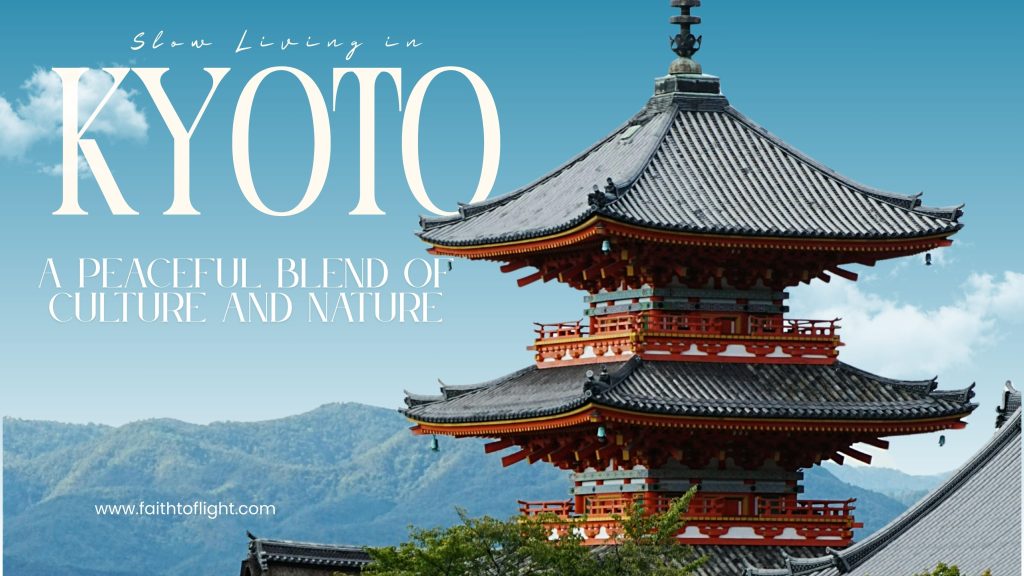
Kyoto served as Japan’s imperial capital for over a thousand years, and its historical legacy remains intact. The city is home to over 1,600 temples and 400 shrines, each reflecting Japan’s architectural brilliance and spiritual traditions.
Walking through Kyoto feels immersive rather than touristic. The preservation of wooden houses, stone pathways, and traditional tea houses creates an atmosphere that feels authentic. For travelers who seek meaning beyond beaches, Kyoto provides intellectual and cultural enrichment.
2. Gion Matsuri and Vibrant Summer Festivals
Summer in Kyoto is highlighted by the Gion Matsuri Festival, one of Japan’s most famous annual events. The streets transform into lively celebration zones filled with elaborate floats, traditional attire, and music.
Unlike typical tourist events, Gion Matsuri is deeply rooted in local culture. Visitors witness centuries-old traditions still practiced today. Participating in such festivals offers emotional connection and cultural understanding that goes beyond sightseeing.
3. Nature and Seasonal Beauty
Despite being a city, Kyoto is surrounded by mountains and natural landscapes. The Arashiyama Bamboo Forest offers a surreal walking experience, especially in the early morning when sunlight filters through tall green stalks.
Temple gardens bloom with vibrant greenery during summer, creating peaceful sanctuaries. Nearby river areas offer cooling escapes from heat. Kyoto proves that urban and natural beauty can coexist harmoniously.
4. Traditional Tea Ceremonies and Cultural Immersion
Kyoto is the heart of Japan’s tea culture. Participating in a traditional tea ceremony allows travelers to understand discipline, hospitality, and artistry within Japanese culture.
These ceremonies are not rushed; they encourage mindfulness and appreciation of small details. Such experiences create emotional resonance and allow travelers to connect deeply with the destination.
5. Iconic Landmarks and Photography Spots
Kyoto is home to globally recognized landmarks such as Fushimi Inari Shrine, known for its thousands of red torii gates, and Kinkaku-ji (Golden Pavilion), reflecting elegantly over a serene pond.
Each landmark tells a story rooted in religion, politics, and philosophy. Photographers particularly love Kyoto because every corner feels cinematic and timeless.
6. Culinary Excellence and Kaiseki Dining
Kyoto’s cuisine focuses on seasonality and presentation. Kaiseki dining — a traditional multi-course meal — highlights local ingredients arranged artistically.
Summer menus often incorporate cooling dishes designed to balance body temperature. Food in Kyoto is not merely nourishment; it is a reflection of cultural values emphasizing harmony and precision.
7. Slow Travel and Mindful Exploration
Kyoto encourages travelers to slow down. Instead of rushing between attractions, visitors often take quiet walks through historic districts like Gion or Higashiyama.
This slower pace enhances appreciation and reduces travel stress. For those seeking emotional rejuvenation rather than adrenaline, Kyoto is an ideal summer destination.
3️⃣ Maldives – The Ultimate Luxury Summer Retreat
When it comes to serene beaches and crystal-clear water, the Maldives stands in a category of its own.
1. Unique Geography and Overwater Experiences
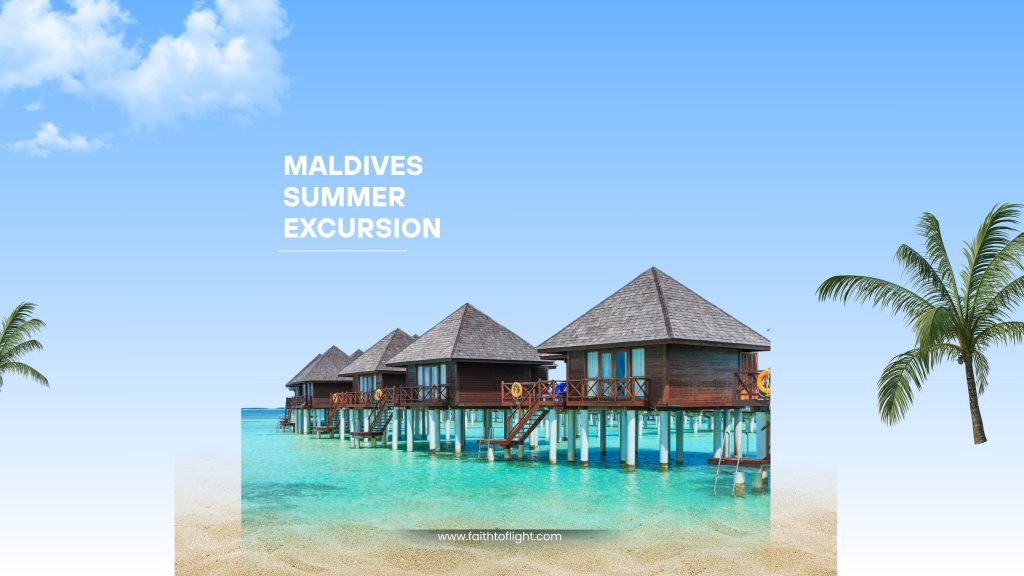
The Maldives consists of over 1,000 coral islands grouped into 26 atolls. This unique geography creates shallow turquoise lagoons perfect for swimming and relaxation.
Overwater villas allow guests to step directly into the ocean from their rooms. This intimate connection with nature defines the Maldivian experience and sets it apart from typical beach vacations.
2. Exceptional Marine Biodiversity
The Maldives is one of the best diving and snorkeling destinations in the world. Coral reefs thrive with vibrant marine life including manta rays, reef sharks, and tropical fish.
Even beginners can safely enjoy underwater exploration. The clarity of the water makes marine observation incredibly accessible and memorable.
3. Romantic and Private Atmosphere
Privacy is one of the Maldives’ strongest appeals. Resorts are often located on separate islands, ensuring exclusivity and tranquility.
Couples particularly value sunset cruises, private beach dinners, and spa experiences overlooking the ocean. It remains one of the top honeymoon destinations in Asia.
4. Summer Season Advantages (May–September)
Although considered a “wet season,” summer in the Maldives offers lower prices and fewer crowds. Rain showers are typically brief and followed by sunshine.
For budget-conscious travelers seeking luxury experiences at discounted rates, summer is actually a strategic time to visit.
5. Budget-Friendly Local Island Options
In recent years, local islands have opened guesthouses, making Maldives accessible beyond luxury resorts. Travelers can enjoy stunning beaches and water activities at more affordable prices.
This shift has redefined the Maldives as not just an ultra-luxury destination but also a smart summer travel choice.
6. Relaxation and Digital Detox
The Maldives encourages complete relaxation. With limited urban distractions, visitors naturally disconnect from stress and digital overload.
The slow rhythm of island life promotes mental clarity and emotional balance, making it ideal for burnout recovery.
7. Visual Beauty Beyond Imagination
Few places match the Maldives in visual perfection. The contrast between white sand, turquoise water, and deep blue skies feels almost surreal.
Sunrises and sunsets are uninterrupted by buildings, creating postcard-perfect scenes every day.
Final Comparison: Which Summer Destination Is Best for You?
- Choose Bali if you want adventure, affordability, and vibrant island culture.
- Choose Kyoto if you seek history, tradition, and meaningful travel.
- Choose Maldives if relaxation, romance, and luxury define your ideal vacation.
Each offers a different emotional experience — and the best choice depends on your travel personality.


Leave a Reply